War has rewritten new rules for Ukrainian businesses. Power cuts, damaged infrastructure and fractured supply chains are no longer disruptions – they are part of daily operations.
For manufacturers, the stakes are particularly high. Production depends on stability. When electricity fails, so does the entire process.
In the western Ukrainian city of Rivne, toy maker VIP-TOYS faced exactly this challenge. Rather than scaling down, the company chose to invest – installing its own solar power system to keep production running even during blackouts.
The project was financed by Ukrgasbank, with backing from the European Union and the European Bank for Reconstruction and Development (EBRD) under the EU4Business-EBRD Credit Line.
The result: uninterrupted operations, more than 60 jobs preserved, and continued deliveries to both domestic and international markets.
Building a business – and keeping it alive
VIP-TOYS has spent more than a decade growing from a small workshop into a large-scale manufacturer occupying over 8,000 square metres.
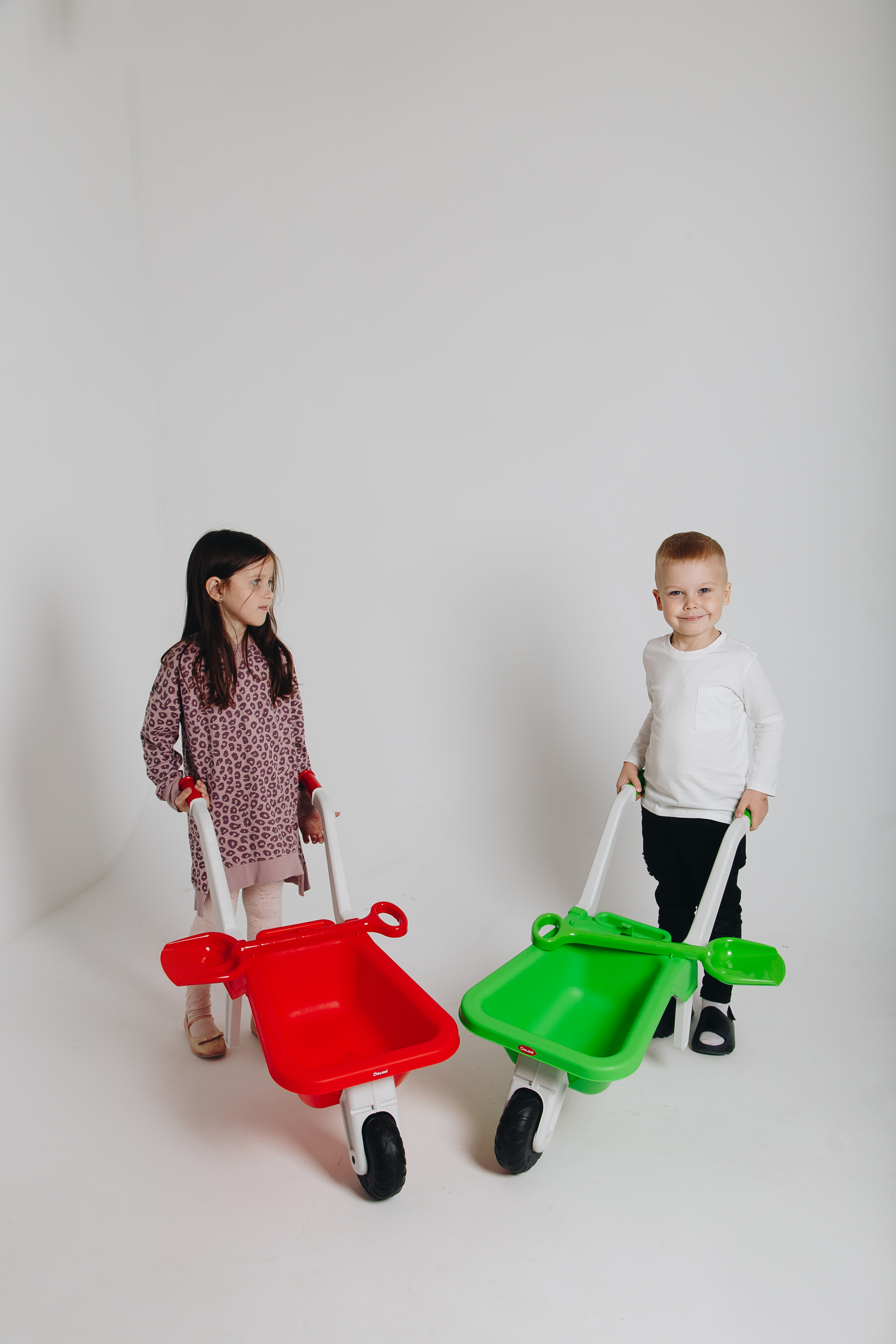
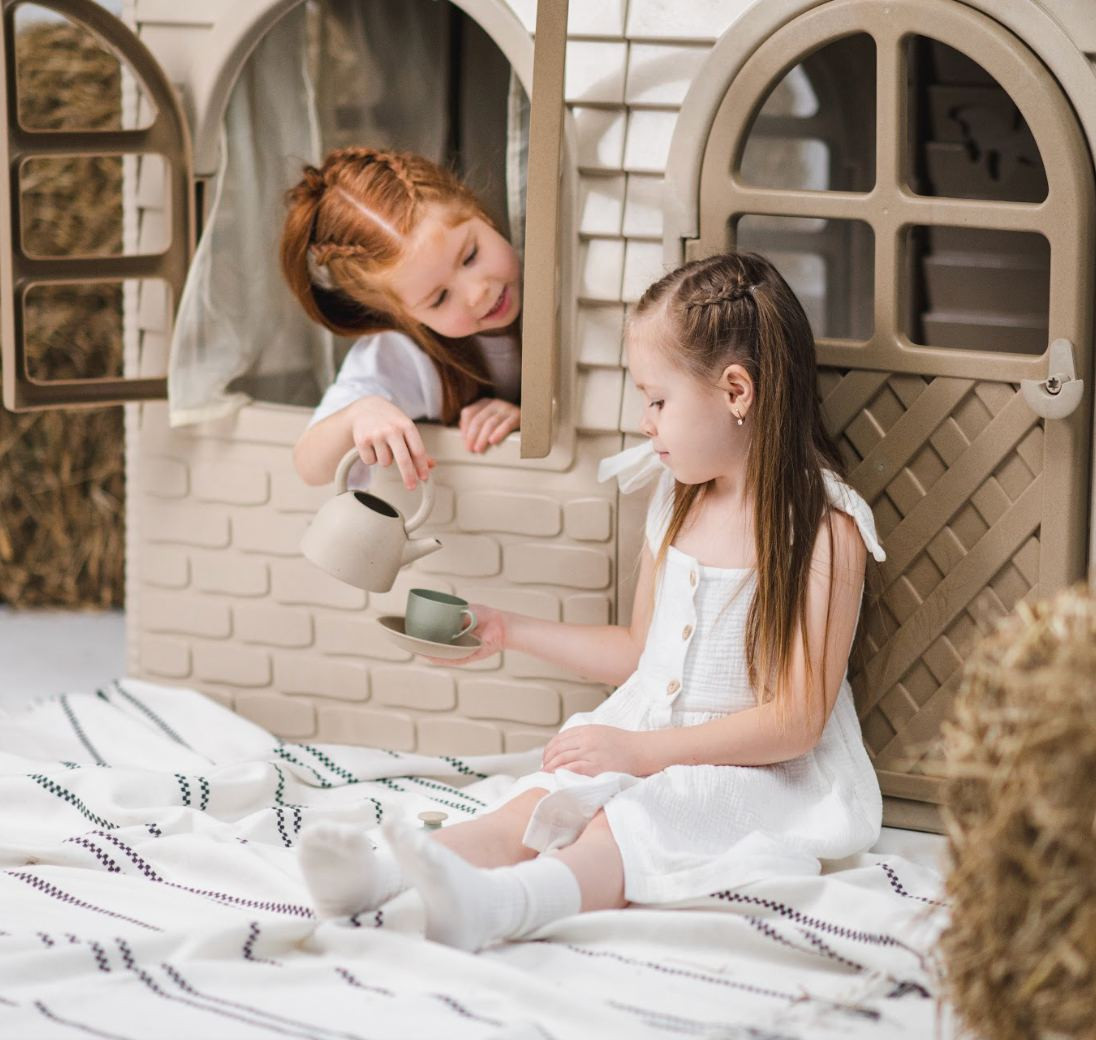
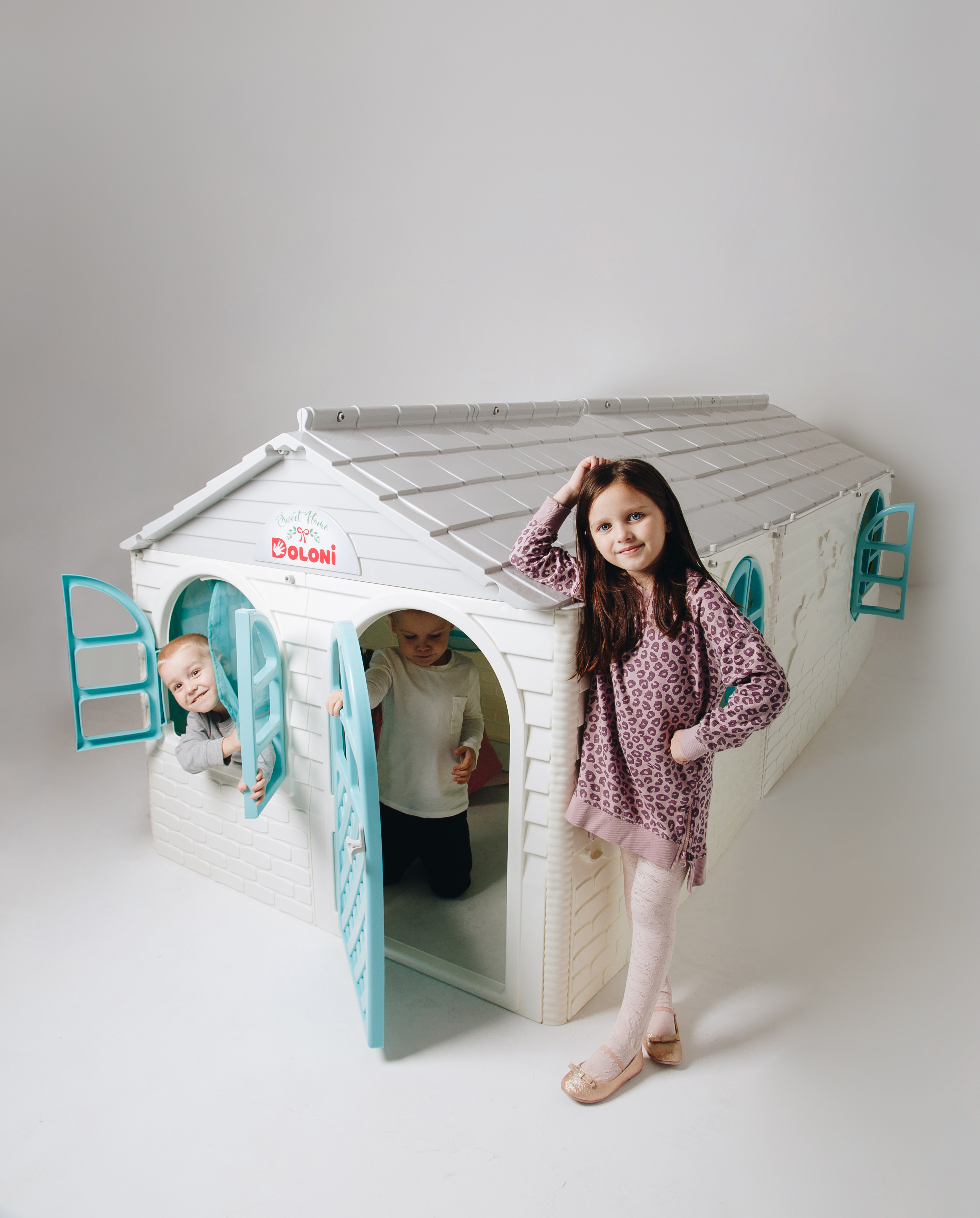
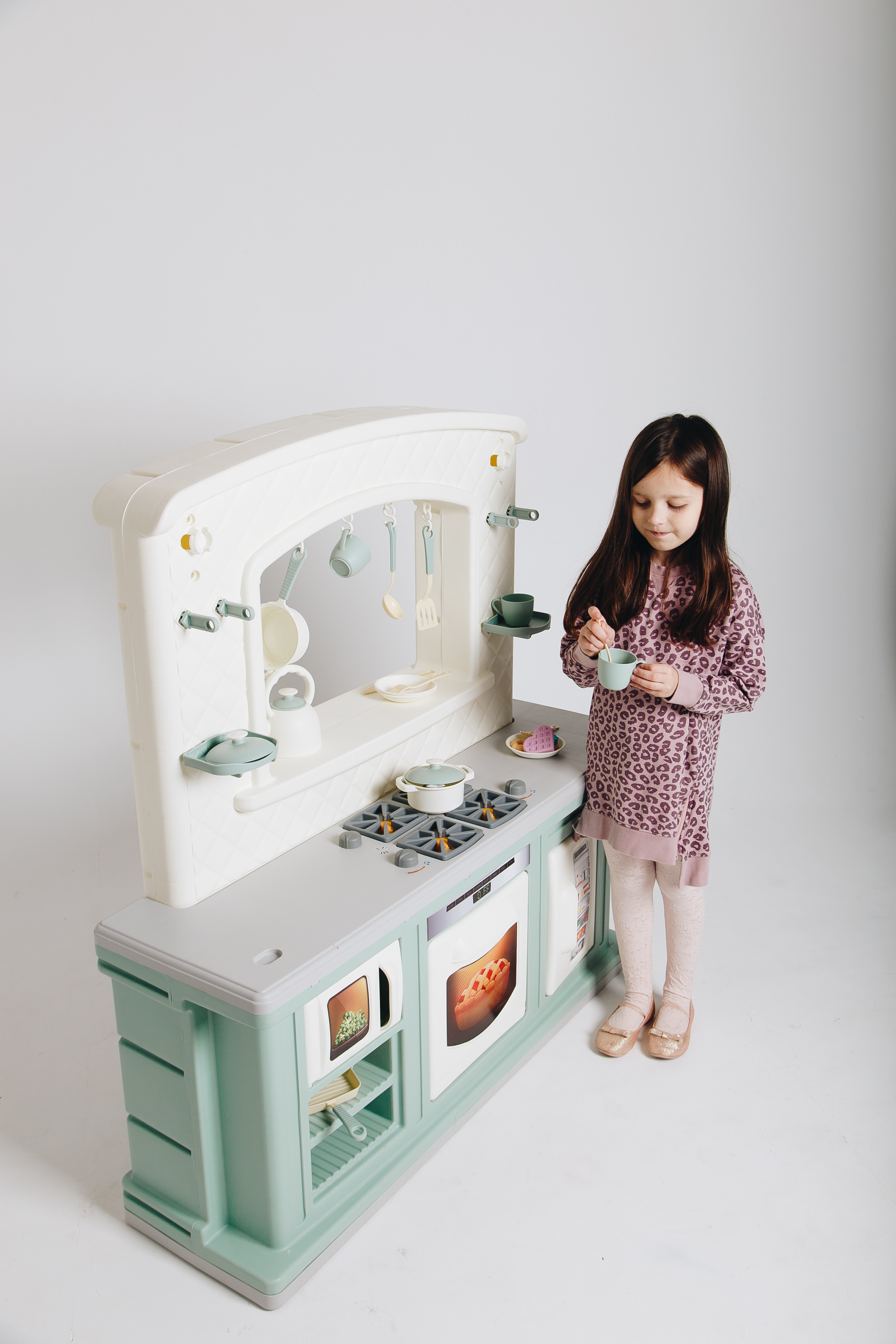
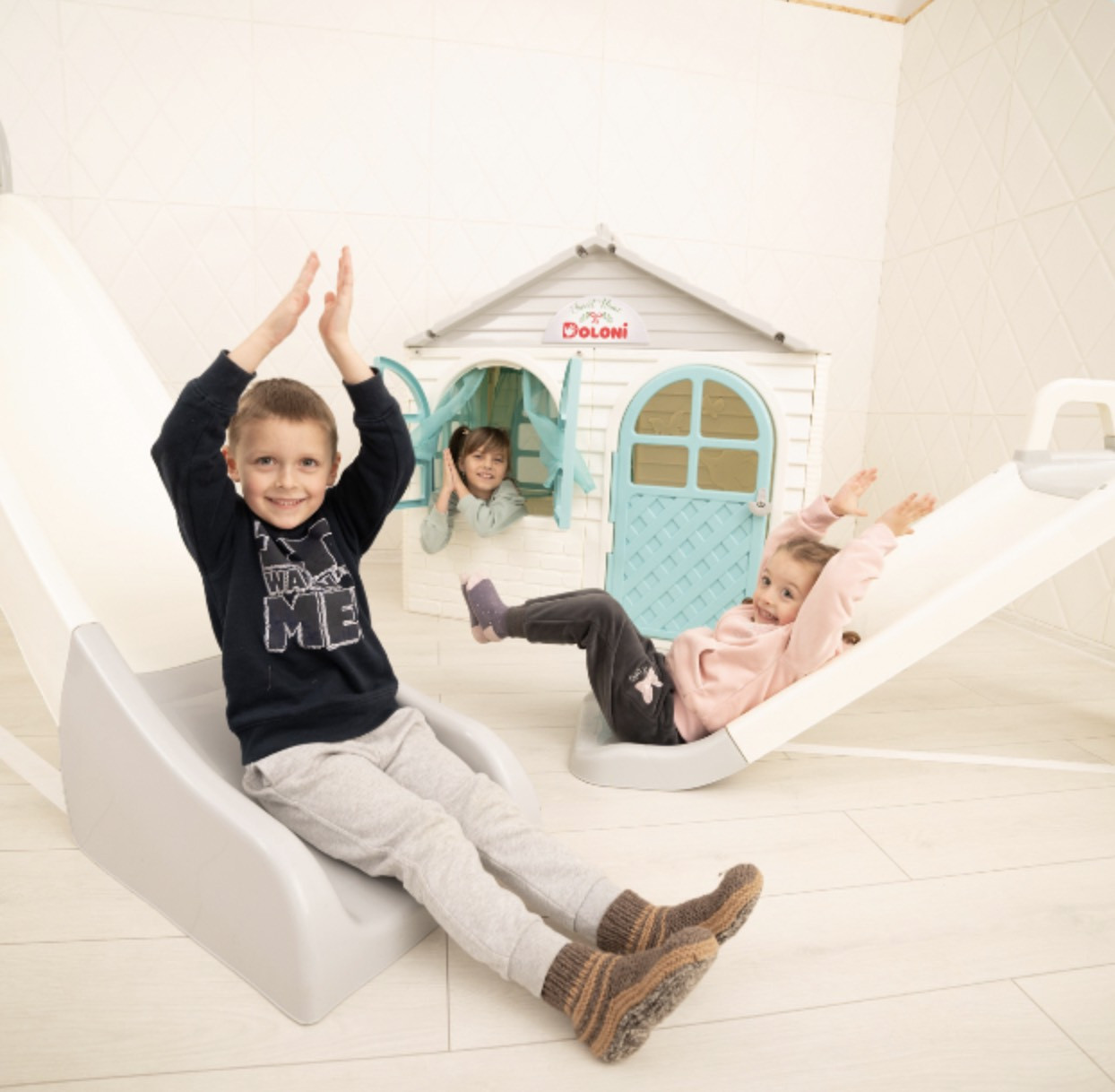
Today, it stands as Ukraine’s only producer of large plastic toys for home use – from playhouses and slides to full playground structures. Around half of its output is exported to 24 countries, including across the European Union.
“Childhood cannot be put on hold,” says the company’s director, Roksolana Vakulenko. “Even now, children need joy. That’s what gives meaning to what we do.”
The company’s production relies on continuous moulding processes – a system that leaves little room for interruption. A sudden loss of power halts machinery and can ruin entire batches of raw material.
“When electricity cuts out, the whole cycle breaks down,” the company explains. “It means downtime, financial losses and missed deadlines.”
Faced with this reality, the decision to invest in energy independence became unavoidable.
Investing in control
Through the EU4Business-EBRD Credit Line, VIP-TOYS secured a €206,533 loan from Ukrgasbank to install a solar power system with energy storage.
The installation includes 868 photovoltaic panels with a total capacity of 0.7 MW – enough to cover the company’s electricity needs during daylight hours and stabilise production.
The impact is tangible. Each year, the system saves more than 6,900 gigajoules of energy – roughly the equivalent of powering around 600 households. Carbon emissions are cut by nearly 300 tonnes, comparable to taking more than 150 cars off the road.
The company also received an additional €37,417 EU grant under a scheme supporting veteran-led businesses, as it is headed by the wife of a war veteran.
“Solar power gave us more than electricity – it gave us back a sense of control,” says Vakulenko. “We can plan again. We can deliver.”
Producing with responsibility
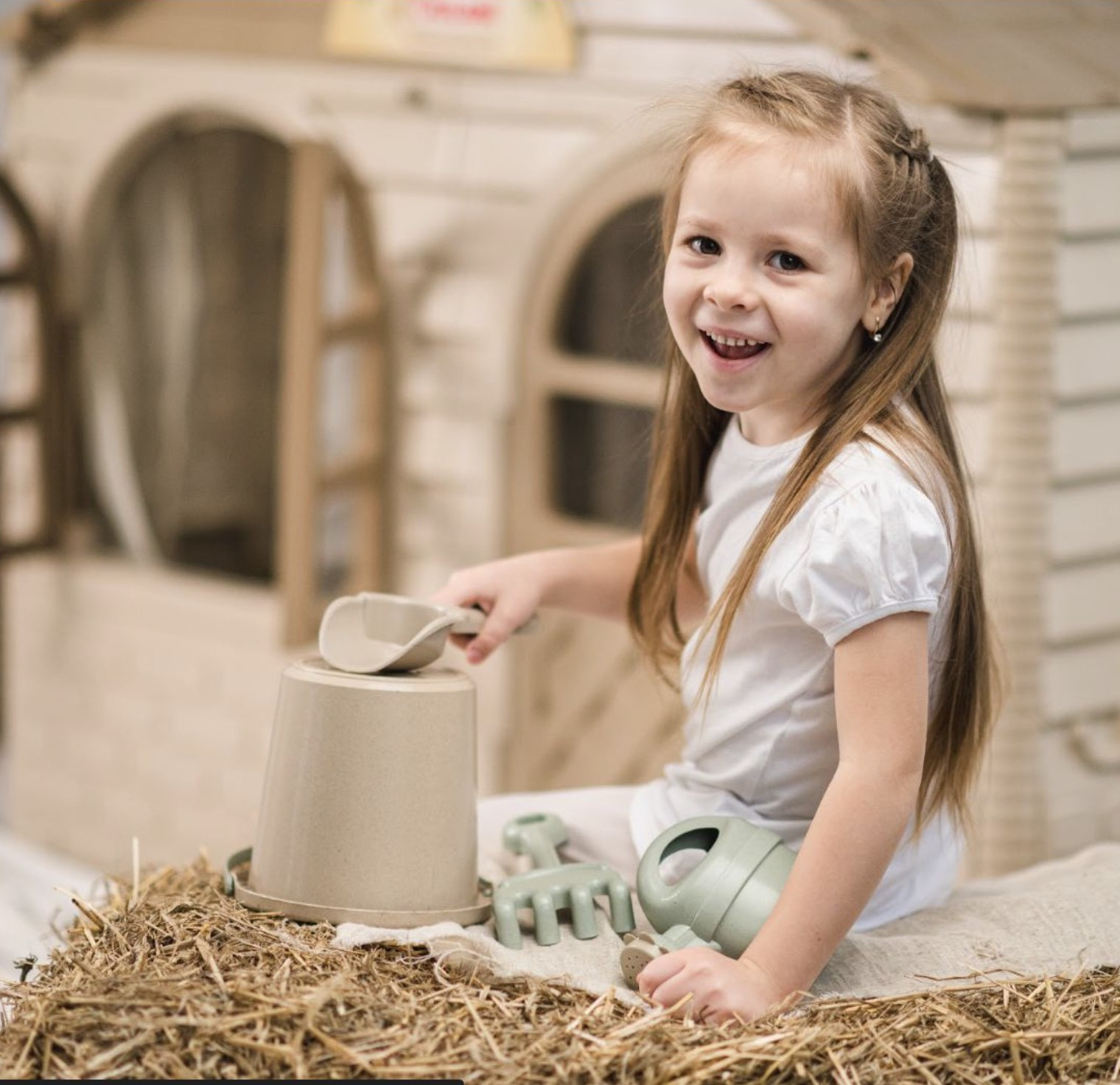
Alongside energy investment, VIP-TOYS has focused on reducing its environmental footprint. The company has developed an eco-plastic made from wheat stems, while all plastic waste is recycled in line with European standards.
In practice, this means operating with minimal waste.
“We want our products to be safe not only for children, but for the environment as well,” Vakulenko adds.
Despite the uncertainty of war, the company continues to modernise its production and expand its export reach.
“We are not waiting for better conditions,” Vakulenko says. “We are investing now – in our production, our people and our future.”
VIP-TOYS’ story reflects a broader shift in Ukrainian business thinking: resilience is no longer about endurance alone. It is about the ability to adapt, invest and keep moving forward – even when the lights go out.