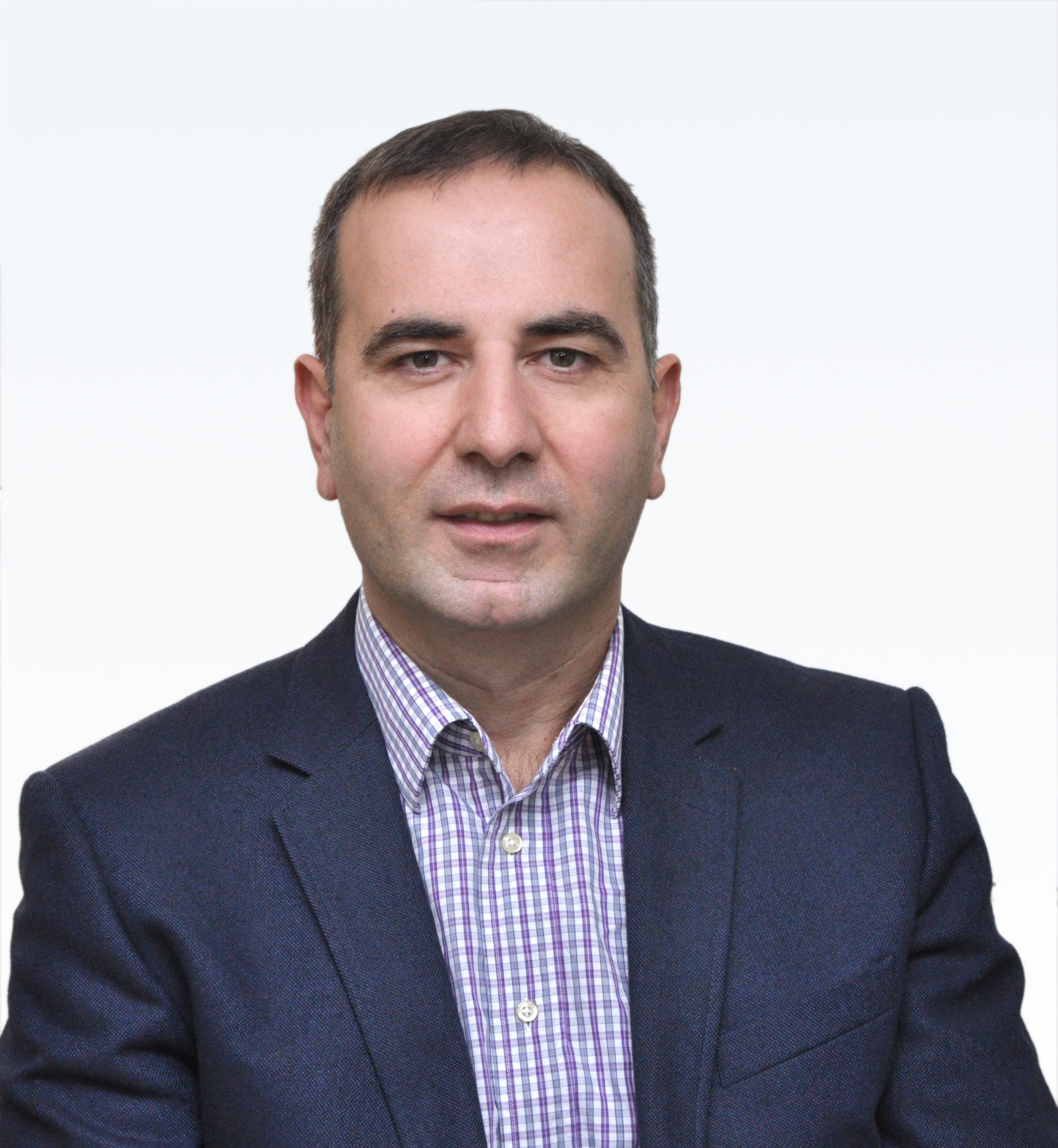
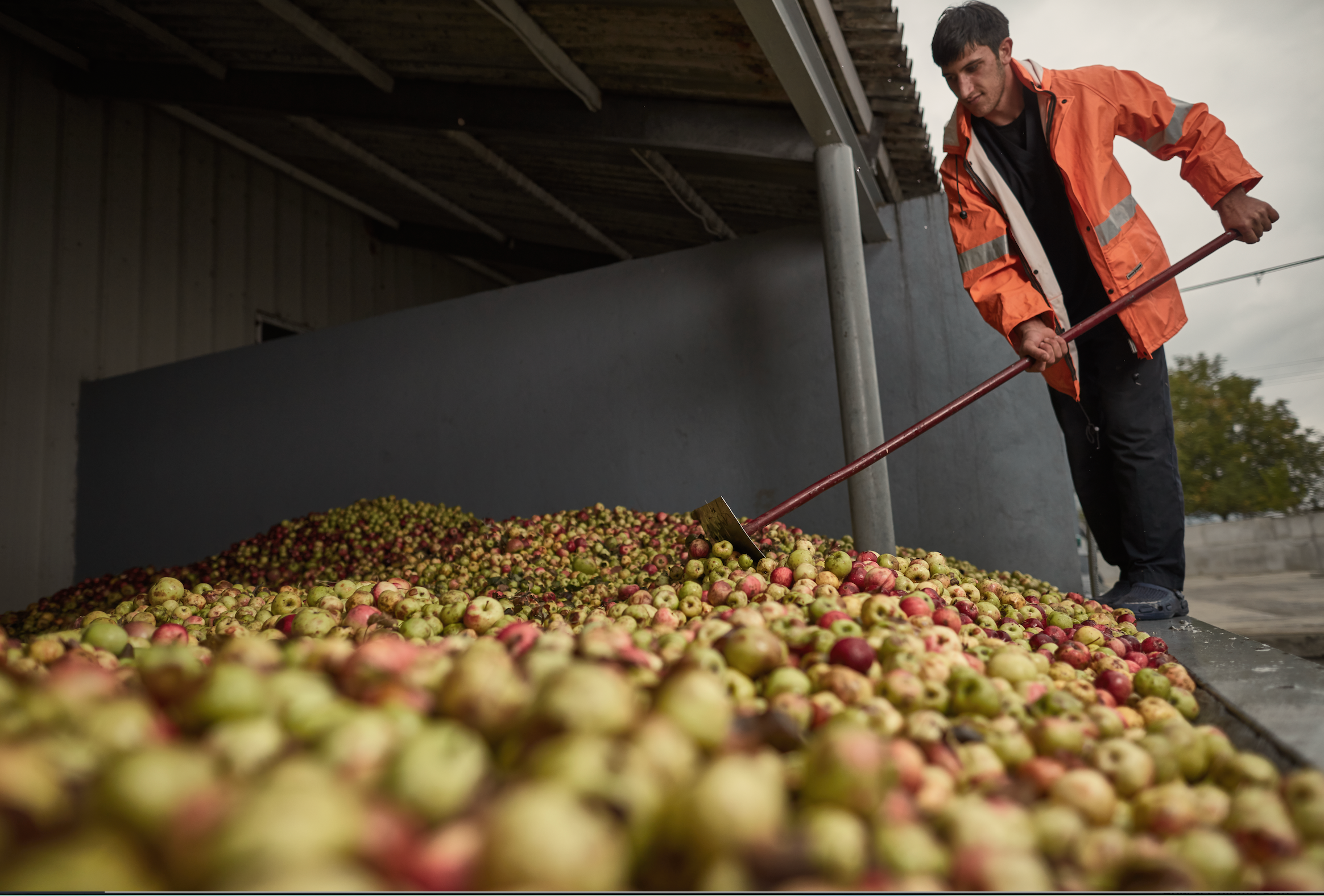
More than twenty years ago, in a small rented building in a village in Lechkhumi, western Georgia, Gocha Dzneladze and his partners started a business with a team of three, one product, and a simple conviction: that Georgia's wild landscapes held something worth bringing to the world. That product was wild apple.
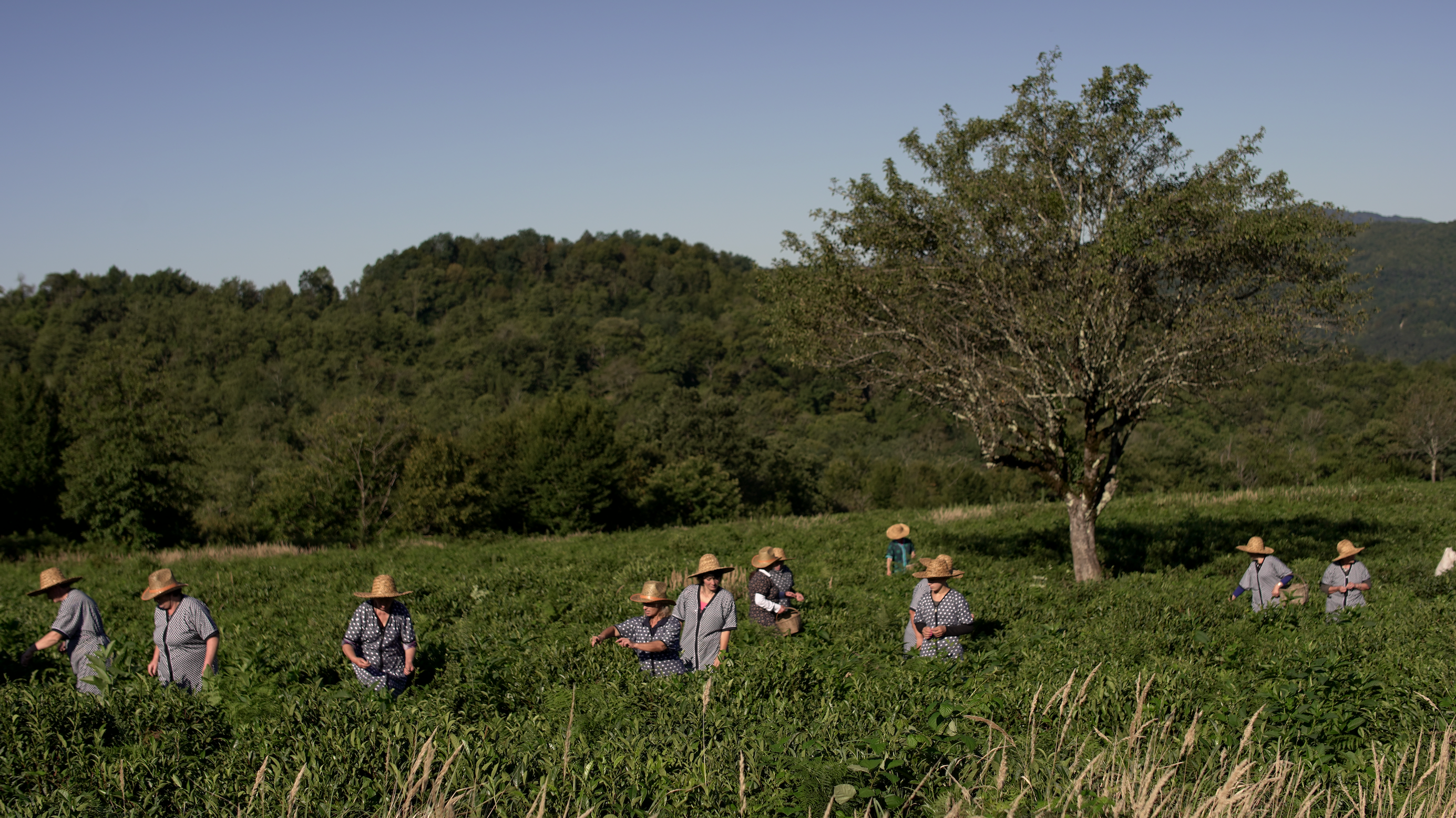
Two decades later, GeoFlower has grown into one of Georgia's most distinctive sustainable enterprises. It has scaled into an operation of 150 permanent staff, a network of around 400 seasonal collectors, and a portfolio of 24 product lines.
"Our main philosophy is wild harvesting, collecting wild products and processing them," Dzneladze notes. "Georgia is very rich in these kinds of ecologically clean, organic products. That was our main motivation."
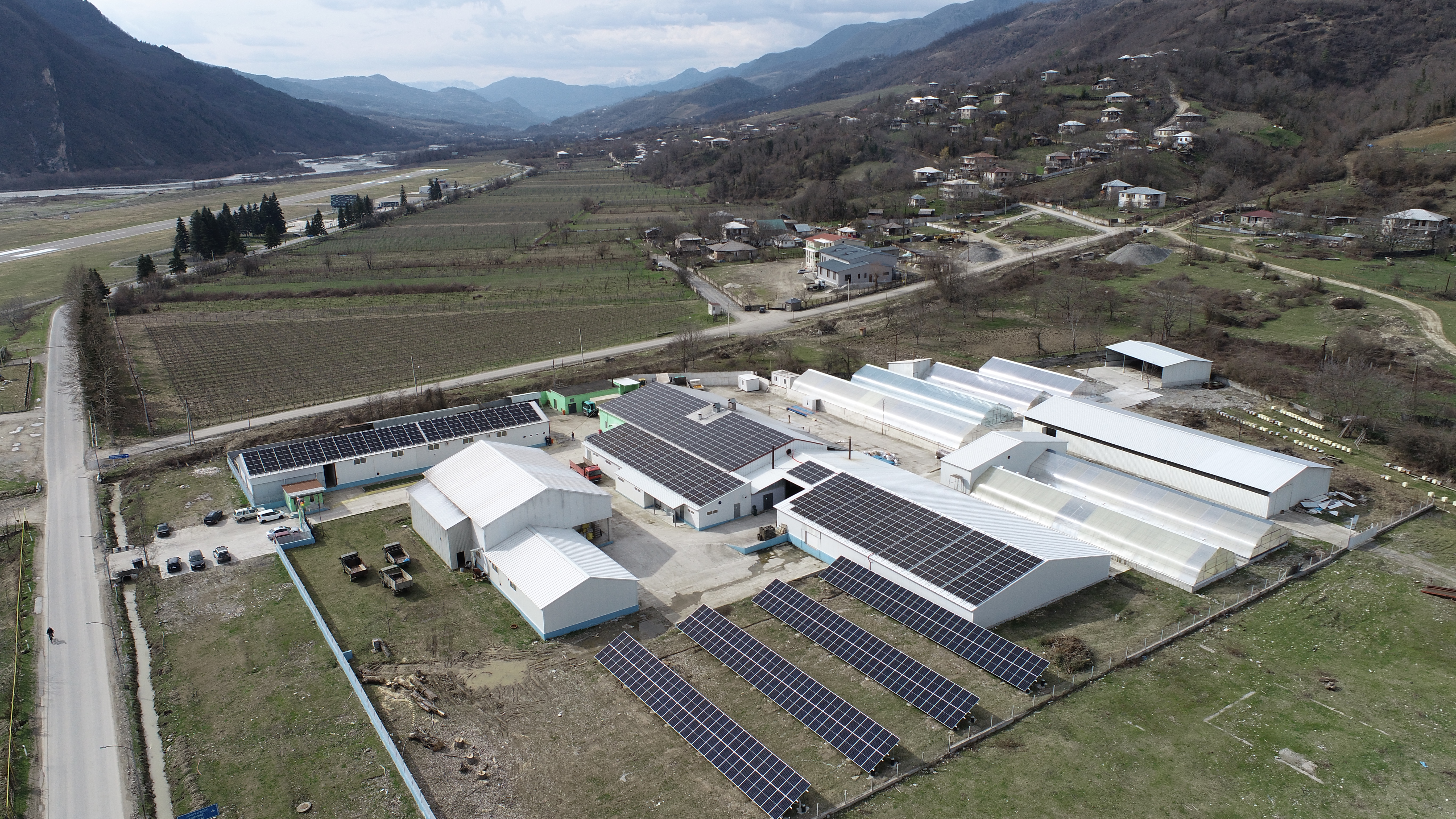
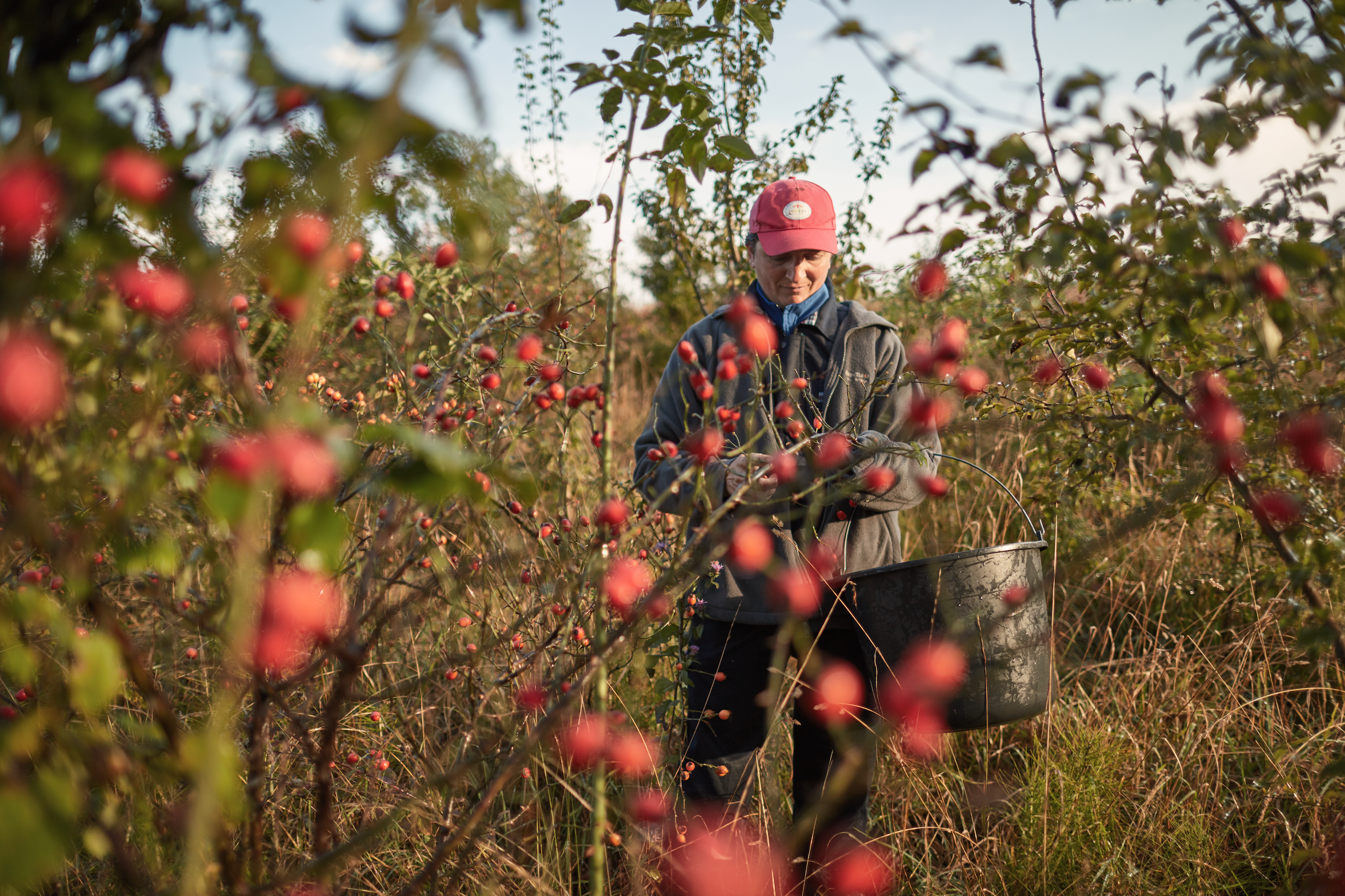
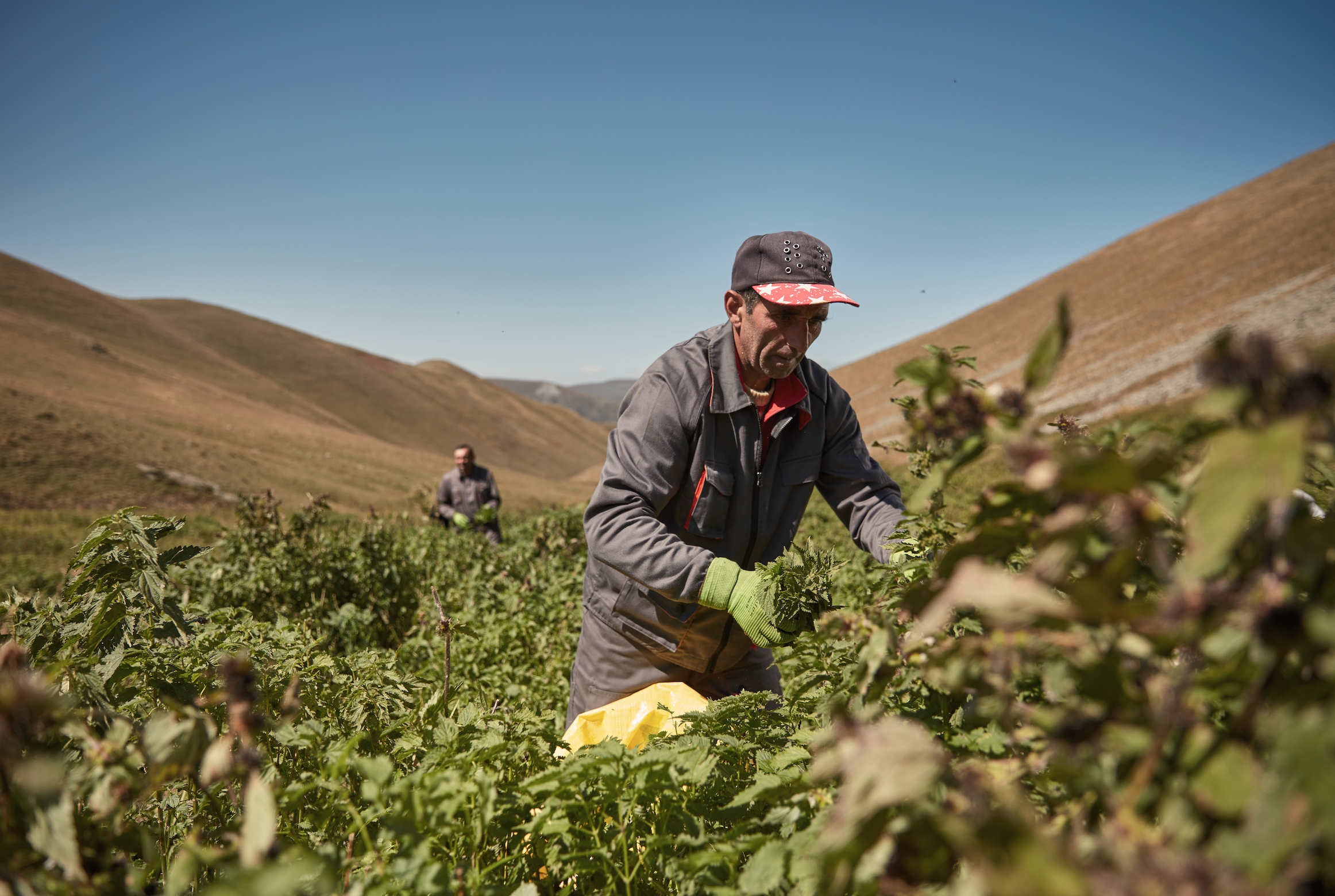
GeoFlower sources, processes, and dries fruits and medicinal plants harvested from Georgia's cleanest wild landscapes — wild apples, blackberry leaves, sea-buckthorn, nettles and many more. Everything comes from the unspoiled mountain villages of Racha, Adjara, Samtskhe-Javakheti, Lechkhumi, and Zemo Imereti, processed across three facilities.
Today, 70% to 80% of its products are sustainable and hold international certifications, including Organic and MABA Grown certificates. GeoFlower also holds ISO 22000 certification, an internationally recognized food safety management standard that validates the company's rigorous controls over every stage of its production process
The company exports 99% of its total volume to the European Union and Turkey.
Overcoming Export Barriers
Selling to the highly regulated European market requires constant upgrades. For Georgian herb exporters, two main issues create challenges for smooth trade: unpredictable drying conditions and the difficulty of meeting the EU’s strict limits for pyrrolizidine alkaloids (PA) and tropane alkaloids (TA).
Specifically, PA compounds, toxic substances naturally occurring in certain weeds, can easily mix with wild herbs during harvesting. Failing to remove these contaminants may result in products being rejected at the EU border.
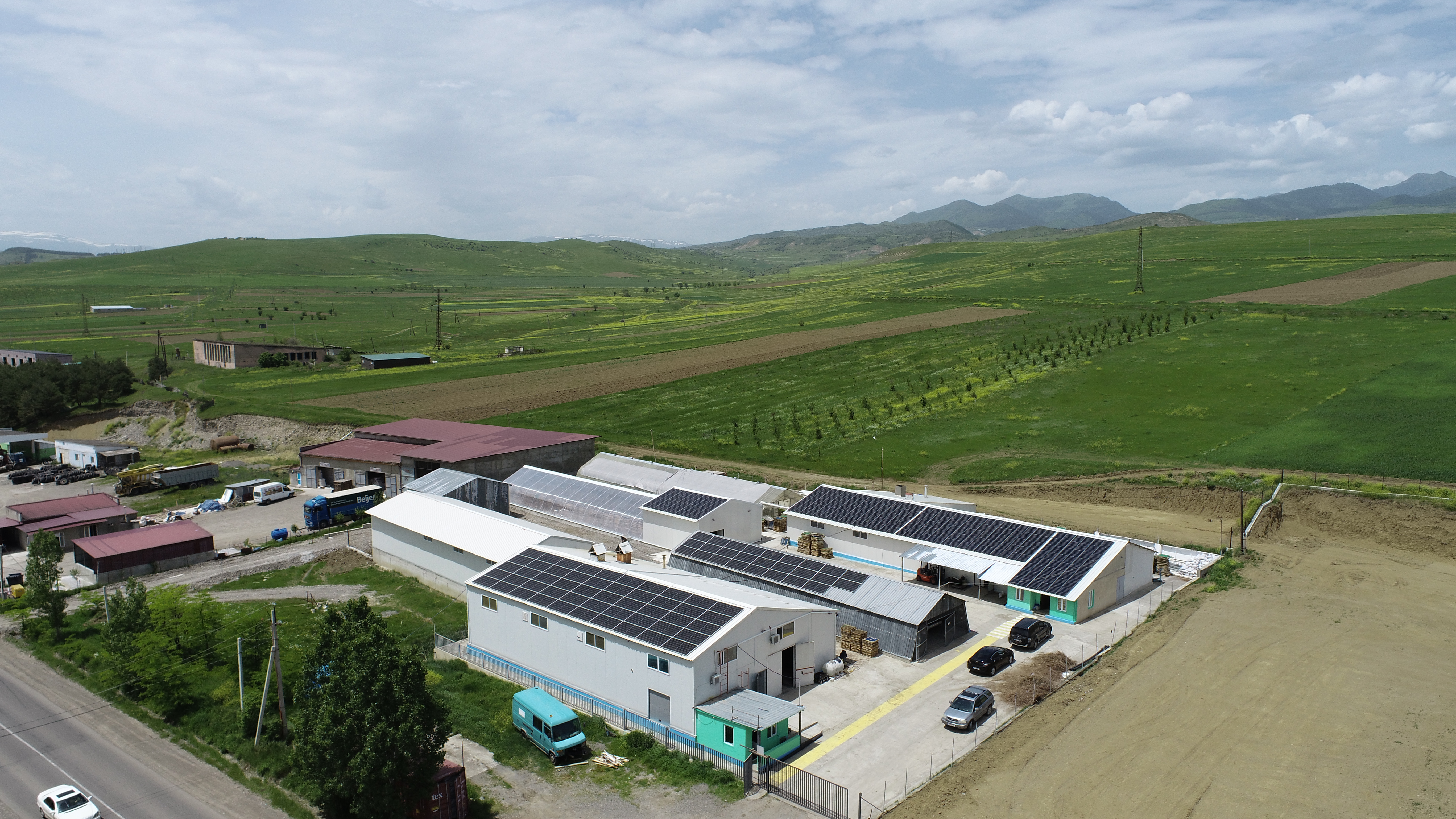
To solve this, GeoFlower combined its greenhouse dryer, cleaning, and packing operations into one modern hub in Akhaltsikhe. To fully upgrade this new facility, the company secured financial backing through the IA2M project, "Innovation Challenge: Supporting Georgian manufacturing sector SMEs in starting, continuing, or resuming exports to the EU and European countries." With a matching grant of nearly 60,000 Georgian Lari (€19,119) from UNDP, under the EU4Business initiative, alongside the company’s own contribution.
Geoflower bought new machinery and built an energy-efficient, solar-assisted greenhouse drying system. Together with a modern herb-cleaning line, this setup filters out PA and other foreign objects before packing, helping the company easily meet European safety standards.
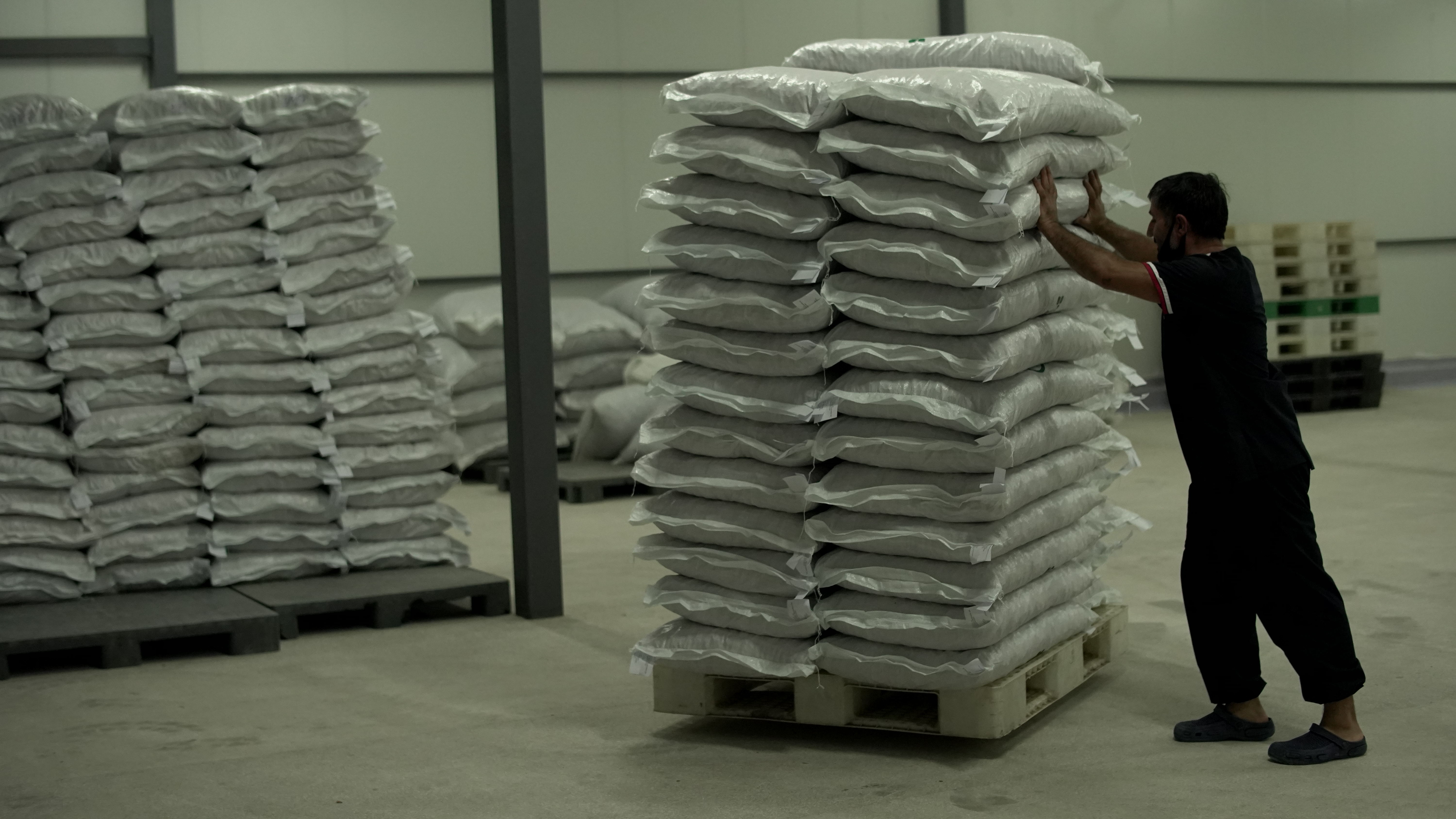
The enterprise now processes about 3,500 tons of raw materials every year to make 900 tons of finished product.
Geoflower was one of 24 Georgian SMEs to receive backing from the IA2M project in 2025, which distributed a total of €296,600 in grants. The initiative itself is a €5.16 million project funded by the European Union, under the EU4Business initiative and delivered in partnership between UNDP and the Estonian Centre for International Development (ESTDEV), with the aim of helping Georgian SMEs strengthen their competitiveness and establish a stronger presence in EU markets.
A Climate-Neutral Goal
The new solar-assisted greenhouse fits perfectly into the company’s environmental goals. "The company's main strategy is to become climate-neutral by 2028–2030," Dzneladze explains.
"We have already taken steps, installing solar systems so that 99% of our consumed energy comes from renewable sources. We are also transitioning our cargo truck fleet to 100% electric vehicles over the next two to three years."
With a cleaner, modernised production system, the path forward is set. Over the next 18 months, GeoFlower will target key export markets in Germany, Poland, and Turkey. Looking ahead, the company plans to shift from bulk sales and focus on creating retail-ready, packaged products for the global market.